World Teachers' Day: The Doctors Who Teach Doctors - October 5
Every doctor can recall someone who changed the course of their training.
Perhaps it was the supervisor who stayed back after a difficult shift to debrief with the team. The consultant who encouraged an anxious junior doctor to trust their judgement. The GP supervisor who patiently guided a registrar through unfamiliar territory. Or the medical educator who created a learning environment where questions were welcomed rather than feared.
On World Teachers' Day, we often think of teachers in schools and universities. Medicine has its own educators whose influence can last an entire career.
Medical education relies heavily on workplace learning. While textbooks, lectures and assessments all play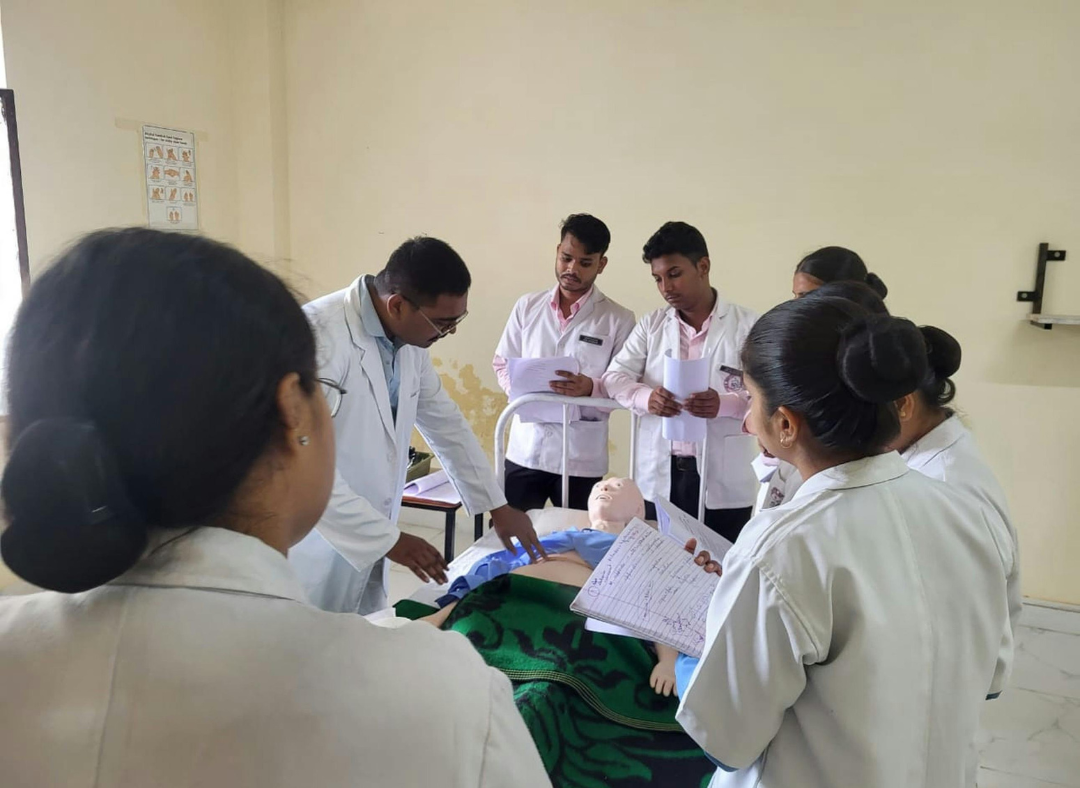 important roles, much of what doctors learn happens alongside experienced clinicians in hospitals, practices and clinic settings. Supervisors and educators provide not only knowledge and clinical expertise, but also guidance, feedback, encouragement, and role modelling. Research from Australian highlights the critical role that clinical supervisors play in creating effective workplace learning environments and supporting professional identity development. The Australian Medical Council states that effective supervision is essential for specialist medical training, while the Royal Australasian College of Physicians describes educational leaders and supervisors as the "single most valuable resource" in training future physicians.
Good supervision does more than develop clinical competence. It helps trainees build confidence, navigate uncertainty, learn from mistakes and develop safe professional practice. Trainees consistently report valuing supervisors who are approachable, provide constructive feedback, invest in wellbeing and create psychologically safe learning environments. High-quality supervision has been recognised as essential not only for effective training but also for safe patient care.
Importantly, great medical educators influence more than what doctors know. They help shape how doctors feel within the profession. A supportive supervisor can create an environment where trainees feel safe to ask questions, admit mistakes, discuss challenges and seek support when they need it.
In contrast, training environments characterised by fear, bullying or humiliation can undermine both learning and wellbeing.
This aligns closely with the principles of the Every Doctor Every Setting (EDES) Framework, which recognises that safe and inclusive training environments are essential to both doctor wellbeing and quality patient care. EDES calls for work and training environments that reduce risk, support wellbeing and foster professional cultures where doctors and medical students can thrive. Psychological safety is not only a workplace issue; it is also a learning issue. When trainees feel respected, supported and able to speak up, both learning and patient care benefit.
The influence of supervisors and medical educators extends well beyond technical skills. Through their daily interactions with trainees, they help shape workplace culture, professional values and the kind of doctors their trainees will become. They demonstrate how to communicate with patients, support colleagues, manage setbacks and maintain professionalism under pressure. In many cases, they also model healthy approaches to help-seeking, self-care and professional sustainability.
At a time when healthcare systems face increasing complexity and workforce challenges, supporting and recognising medical educators and supervisors has never been more important. Their contribution benefits not only individual learners, but also patients, healthcare organisations and the future sustainability of the health system as a whole.
This World Teachers' Day, Drs4Drs thanks the supervisors, educators, mentors and clinical teachers who invest their time, expertise and care in developing the next generation of doctors.
The impact of a great teacher is not measured only in knowledge shared. It is reflected in the confidence, competence, wellbeing and compassion of the doctors they help shape.
Need to talk? Please reach out to your GP or our confidential 24/7 doctors’ health line – 1300 DR4DRS (1300 374 377) or visit our website www.drs4drs.com.au
Dr Kate Reid - Lead Practitioner Drs4Drs National

References
1- Australian Medical Council. Guidance on assessing supervision. Canberra: AMC; 2025. [amc.org.au]
2- Royal Australasian College of Physicians. Educational Leadership and Supervision Framework. Sydney: RACP. [racp.edu.au]
3- Australian Medical Association Council of Doctors in Training. Trainee Perspectives on Best Practice in Supervision. Canberra: AMA; 2025. [ama.com.au]
4- Couch D, O'Sullivan B, Russell D, McGrail M, Wallace G, Bentley M. An exploration of the experiences of GP registrar supervisors in small rural communities: a qualitative study. BMC Health Serv Res. 2020;20:834. [pmc.ncbi.nlm.nih.gov]